Gutter Installation in Hackettstown for Better Roof Drainage Solutions
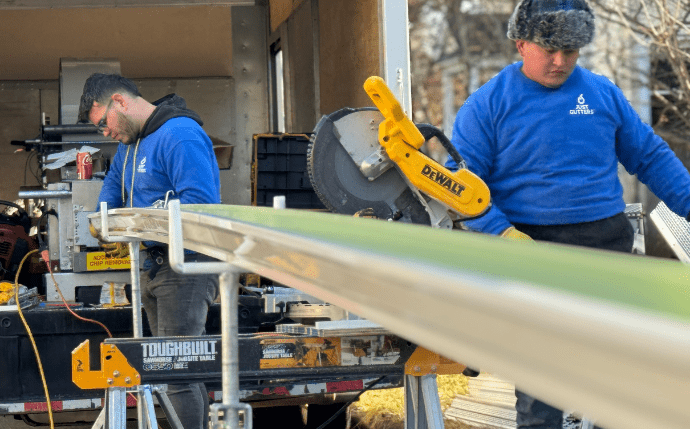
A roof sheds far more water than most homeowners realize. On a modest house, one strong summer storm can send hundreds of gallons racing off the shingles in a short window. If that runoff is not collected and directed correctly, it does not simply disappear into the yard. It cuts trenches in mulch beds, splashes mud onto siding, stains masonry, loosens fascia boards, and pools around the foundation. In a place like Hackettstown, where homes see heavy rain, wet springs, leaf drop in the fall, and snowmelt in winter, gutters are not an accessory. They are part of the drainage system that protects the whole structure.
Good gutter installation is less about hanging metal along the roofline and more about managing water with intent. That means choosing the right size, matching the pitch to the roof area, placing downspouts where runoff can move safely away from the house, and securing every component so it still performs after freeze-thaw cycles and wind-driven storms. When homeowners search for Gutter Installation Hackettstown, they are usually dealing with a practical problem, not a cosmetic one. Water is getting where it should not, and the house is starting to show it.
Why roof drainage deserves more attention
The signs of poor drainage often show up slowly. A damp basement corner after a hard rain. Soil pulled away along one side of the home. Ice forming at the eaves in winter. Paint peeling near the gutter line. Many people treat these as separate repair issues, but they often trace back to the same source: water was not collected and moved away efficiently.
Hackettstown homes vary widely, from older colonials and capes to newer developments with steeper rooflines and larger roof planes. That matters, because drainage needs change with roof design. A simple ranch may only need straightforward runs and carefully placed downspouts. A multi-level home with dormers, valleys, and intersecting roof sections creates concentrated water flow in specific areas. Those concentration points need extra attention. I have seen perfectly good siding and landscaping damaged on otherwise well-maintained homes because one valley dumped more water into a gutter than the system could handle.
When gutters are undersized, poorly sloped, or attached to weak fascia, overflow becomes routine. During a mild drizzle, everything may seem fine. During a cloudburst, water shoots over the edge in sheets. That is the real test, and it is where many low-effort installations fail.
What proper gutter installation actually involves
A well-built system begins with measurement and layout. Installers need to evaluate the total linear footage, the number of inside and outside corners, roof pitch, runoff concentration areas, fascia condition, and the path water will take once it exits the downspouts. It is common for people to focus only on the gutter itself, but the downspout discharge is just as important. If water exits right at the base of the home, the system is only half doing its job.
Pitch is another detail that often gets overlooked. Gutters are not installed perfectly level. They need a subtle slope so water moves toward the outlet instead of sitting in the trough. Too little pitch, and debris settles while water stagnates. Too much, and the gutter line can look visibly off from the ground, which is both unattractive and unnecessary. On most homes, the correct pitch is slight enough that you do not notice it visually, but strong enough to keep runoff moving.
Fastening matters too. Spikes and ferrules still exist on older systems, but hidden hangers with screws generally hold up better over time. In New Jersey weather, where expansion, contraction, snow load, and wind all stress the system, stronger attachment points make a real difference. A gutter that stays tight to the fascia keeps water inside the channel where it belongs.
Materials that make sense in Hackettstown
Most residential gutter installation in Hackettstown uses aluminum, and for good reason. It is lightweight, rust-resistant, available in many colors, and suitable for seamless fabrication on site. Properly installed aluminum gutters hold up well in mixed seasonal weather and provide a strong balance of cost and durability.
Copper has a strong visual appeal, especially on older or high-end homes, and it lasts a long time when installed correctly. It also costs considerably more and requires skilled handling. Vinyl is inexpensive and easy to find, but it tends to be less reliable in climates with temperature swings. It can become brittle, separate at joints, or sag if not supported well. Steel is durable, but unless it is carefully finished and maintained, rust can become an issue over time.
Seamless gutters deserve special mention because they solve one of the most common weak points in older systems: joints. Every seam is a potential leak location. A seamless run, fabricated to fit the house, reduces the number of connection points and creates a cleaner finished look. The corners and downspout outlets still require proper sealing and assembly, but the overall system usually performs better and demands less maintenance than sectional gutters.
Sizing is not a small detail
One of the easiest ways to underbuild a drainage system is to assume every home needs the same gutter size. Many houses do fine with standard 5-inch gutters, but not all of them. A steep roof, a large roof plane, or a design that channels water into a few concentrated sections may need 6-inch gutters or additional downspouts to manage runoff without overflow.
This is one of those areas where field judgment matters. Two homes with similar square footage can have very different water behavior. A long straight eave may drain calmly. A valley discharge during a thunderstorm can hit like a fire hose. If you have ever watched water overshoot the gutter at one corner while the rest of the house seems normal, that is usually a sizing or layout problem, not bad luck.
A contractor who handles Gutter Installation properly should look at more than the roof perimeter. They should think in terms of water volume and concentration. Bigger is not always necessary, but undersized systems create repeat problems that no amount of cleaning will solve.
The fascia check that should happen before any new install
New gutters should never be installed over rotten fascia and called a finished job. Unfortunately, that does happen. The old gutter comes off, hidden wood damage appears, and instead of repairing it, someone hangs the new system anyway to save time or keep a quoted price low. It looks fine from the driveway for a while. Then fasteners loosen, sections pull away, and the wood continues to deteriorate behind the metal.
In Hackettstown, where gutters may hold snow and ice at times and then run heavy rain weeks later, the fascia needs to be solid. It is the structural anchor for the entire system. If there is rot, delamination, mold, or insect damage, it should be addressed before installation continues. This is not a glamorous part of the job, but it is one of the most important.
A reputable installer will tell you if they find damage, explain the extent of the repair, and separate that work clearly from the gutter price. That transparency matters. Homeowners should know whether they are paying for a drainage upgrade, a structural repair, or both.
Downspouts, extensions, and where the water ends up
A gutter system does not succeed just because the trough stays full and intact. It succeeds when water ends up far enough away from the house that it does no harm. Downspout placement is a design decision, not an afterthought.
Too few downspouts force water to travel too far inside the gutter, increasing overflow risk during heavy rain. Poorly placed downspouts can dump runoff onto walkways, patios, or planting beds that were never meant to absorb that volume. Short discharge points often cause the same muddy trench to reappear year after year. In colder weather, they can also contribute to slick spots where water refreezes near entrances.
Most homes benefit from downspout extensions, splash blocks, or connection to underground drainage where grading and site layout support it. Underground drains can work very well, but only if they are sloped correctly and discharged to an appropriate outlet. I have seen buried drain lines installed with good intentions and bad execution, leaving homeowners with water backup inside the downspouts because the pipe had nowhere useful to send it.
The goal is simple: collect roof runoff, move it efficiently, and release it where the ground can handle it without threatening the foundation, hardscaping, or neighboring areas.
Common drainage problems seen around Hackettstown homes
Local weather patterns create a few recurring issues. Spring often brings long wet stretches that test slow-draining sections. Summer storms can dump water quickly enough to expose sizing mistakes. Autumn packs gutters with leaves and seed pods, especially on lots with mature trees. Winter adds ice, snow load, and freeze-thaw stress.
These conditions produce familiar failure patterns. Gutters clog and overflow at corners. Downspouts freeze because standing water never drained fully. Hangers loosen on older fascia boards. Ice forms at the edge where trapped water backs up. Overflow near entryways creates slippery surfaces and ugly splash marks on siding.
Older homes in Hackettstown also bring quirks that installers need to respect. Fascia lines may not be perfectly straight. Roof edges can settle over time. Some houses have additions built years apart, with different roof pitches and drainage needs. A clean install on these homes requires careful adjustment, not just speed. The neatest-looking line from the street is not always the best drainage line if the fascia itself has irregularities. Good installers know how to balance appearance with performance.
When gutter guards help, and when they disappoint
Gutter guards are often marketed as a cure-all. In practice, they are a tool with clear limits. On some homes, especially those under moderate tree cover, they can reduce cleaning frequency and keep larger debris out of the trough. On others, especially where fine debris like pine needles, maple helicopters, or small leaf fragments are constant, some guard styles perform much better than others.
No guard makes a gutter maintenance-free. Debris still collects on top, inside channels, or at roof valleys above the gutter line. What a good guard can do is reduce the volume of material entering the system and help water keep flowing between cleanings. What it cannot do is fix a poorly sloped gutter, an undersized system, or bad downspout placement.
If a home in Hackettstown is surrounded by large deciduous trees, guards may be worthwhile, but the right product depends on the debris type and roof configuration. Fine mesh performs differently from reverse-curve or screen designs. This is another place where real-world judgment beats generic sales claims.
Signs it is time to replace instead of repair
Not every gutter problem calls for full replacement. A loose hanger, a leaking corner, or a crushed downspout can often be repaired. But there is a point where patching becomes a yearly expense with little return. If the system is old, joint-heavy, repeatedly leaking, and pulling away in multiple sections, replacement is usually the smarter investment.
Here are a few signs Gutter Installation Hackettstown that full replacement is often the better route:
- Multiple seams leak after repeated sealing attempts.
- Gutters sag in several areas or pull away from the fascia.
- Water overflows during normal storms despite regular cleaning.
- Rust, corrosion, or cracking appears across long runs, not just one spot.
- Fascia damage has already started because of chronic drainage failure.
When several of these show up at once, repairs tend to become temporary bandages. A new seamless system with corrected slope and better downspout layout often costs less in the long run than chasing one leak after another.
The installation process homeowners should expect
A professional gutter replacement or first-time install usually moves quickly, but it should not feel rushed. Old gutters come off carefully, fascia is inspected, measurements are confirmed, and new seamless sections are fabricated to fit. Hangers are spaced for strength, outlets are cut and reinforced where needed, and downspouts are assembled to direct runoff cleanly toward grade or drainage points.
The best crews pay attention to the small things. They keep miters crisp, downspouts aligned, and straps neat. They avoid leaving metal shavings on driveways, because those can rust and stain concrete. They test flow where practical, especially on complex roof sections. They also talk through discharge points with the homeowner rather than deciding everything from the ladder.
On a typical single-family home, Gutter Installation Hackettstown may take anywhere from part of a day to a full day, depending on the house size, number of corners, fascia repairs, and site complexity. Larger homes or those with steep access challenges can take longer. What matters more than speed is whether the layout was thought through and the final system is solid.
What drives cost, and what should raise questions
Price varies based on material, linear footage, gutter size, number of stories, roof access, corner count, downspout quantity, fascia repair needs, and whether guards are included. Copper will push costs much higher than aluminum. A straightforward ranch is usually less expensive than a multi-level home with difficult access and several roof transitions.
Very low bids deserve scrutiny. They may reflect thinner material, fewer hangers, inadequate downspouts, skipped fascia repairs, or rushed labor. A homeowner comparing proposals should not just look at total price. They should understand what gauge or thickness is being used, whether the system is seamless, how downspout placement was determined, what warranty covers labor versus material, and whether disposal of the old system is included.
A fair estimate should be specific enough that you can tell what you are actually buying. Vague pricing often leads to vague results.
Questions worth asking before you hire
These questions usually separate experienced installers from people who simply hang gutters:
- Will you inspect and repair fascia if needed before installation?
- How do you determine gutter size and downspout placement for this roof?
- Are the gutters seamless, and what material thickness do you use?
- What type of hangers and fasteners will secure the system?
- How will water be directed away from the foundation at each downspout?
You do not need a contractor to recite a textbook answer. You want practical, confident explanations grounded in your home’s layout. If someone cannot explain where the water is going once it leaves the downspout, they are not really talking about drainage.
Maintenance after installation still matters
Even the best gutter system needs periodic attention. Branch fragments, leaves, roofing granules, and windblown debris will accumulate over time. Systems under heavy tree cover may need cleaning more than once a year, while others can often get by with seasonal checks. The point is to stay ahead of clogs before they create overflow or winter icing problems.
A simple habit helps: after a strong rain, walk the perimeter of the house. Look for spillover, drips at seams, downspouts that are not discharging well, and areas where water pools at the base. This five-minute check reveals a lot. Many drainage problems announce themselves only when water is actively moving.
Homeowners should also keep an eye on changes in the landscape. A downspout extension that worked fine two years ago may now discharge into a flower bed that has built up with edging and mulch, trapping water closer to the house. Drainage is not static. Small site changes can alter how runoff behaves.
Why this investment pays off beyond the roofline
Proper gutter installation protects more than shingles and trim. It helps preserve siding, windows, doors, masonry, foundations, crawl spaces, basements, and landscaping. It reduces staining and erosion. It can lower the chance of water intrusion in vulnerable areas. On homes with walkways or entries under eaves, it also improves safety by limiting puddling and icing.
There is a visual benefit too. A clean, well-proportioned gutter system makes a house look finished. Lines appear sharper, runoff stops leaving dirty streaks, and downspouts feel integrated instead of improvised. But appearance should be the side benefit, not the main goal. The real value is control. Water goes where you intend it to go.
For homeowners in Hackettstown, that control matters all year. Spring rain tests capacity, summer storms test flow, autumn debris tests maintenance, and winter tests attachment strength and drainage reliability. A thoughtful installation accounts for all of it.
When a gutter system is designed and installed correctly, most people stop thinking about it, and that is exactly the point. Rain falls, snow melts, and the house stays drier, cleaner, and better protected. That is what better roof drainage solutions are supposed to do.
Just Gutters LLC
Address: 262 Main St, Hackettstown, NJ 07840
Phone number: +12013319454
FAQ About Gutter Installation Hackettstown
Can I install a gutter myself?
Yes, you can install gutters yourself. DIYers typically use aluminum or vinyl sections from home improvement stores. The project requires basic tools, precise measuring, and comfort working on ladders. Key steps include snapping a chalk line for a slight slope (1/4 inch per 10 feet toward downspouts), securing hangers every 2 feet, and caulking all joints securely.
How much does body contouring usually cost?
The Home Depot typically charges between $1,000 and $3,600 for a standard professional gutter installation on a typical single-family home with 200 linear feet of gutters. Calculated on a per-foot basis, the cost usually ranges from $5 to $18 per linear foot, highly dependent on the material you select.
How much does a 40 ft seamless gutter cost?
A 40 ft seamless gutter run will cost between $240 and $1,120+ fully installed, depending on the material you choose. Because seamless gutters require specialized on-site fabrication machines, they are rarely sold as DIY kits and are priced per linear foot.